Ceramic Matrix Composites UK: Inside the First Factory
The UK has just built its first factory for ceramic matrix composites. This marks a major milestone for British defence and aerospace. It is not just a research win—it is a strategic shift that will reshape supply chains for decades.
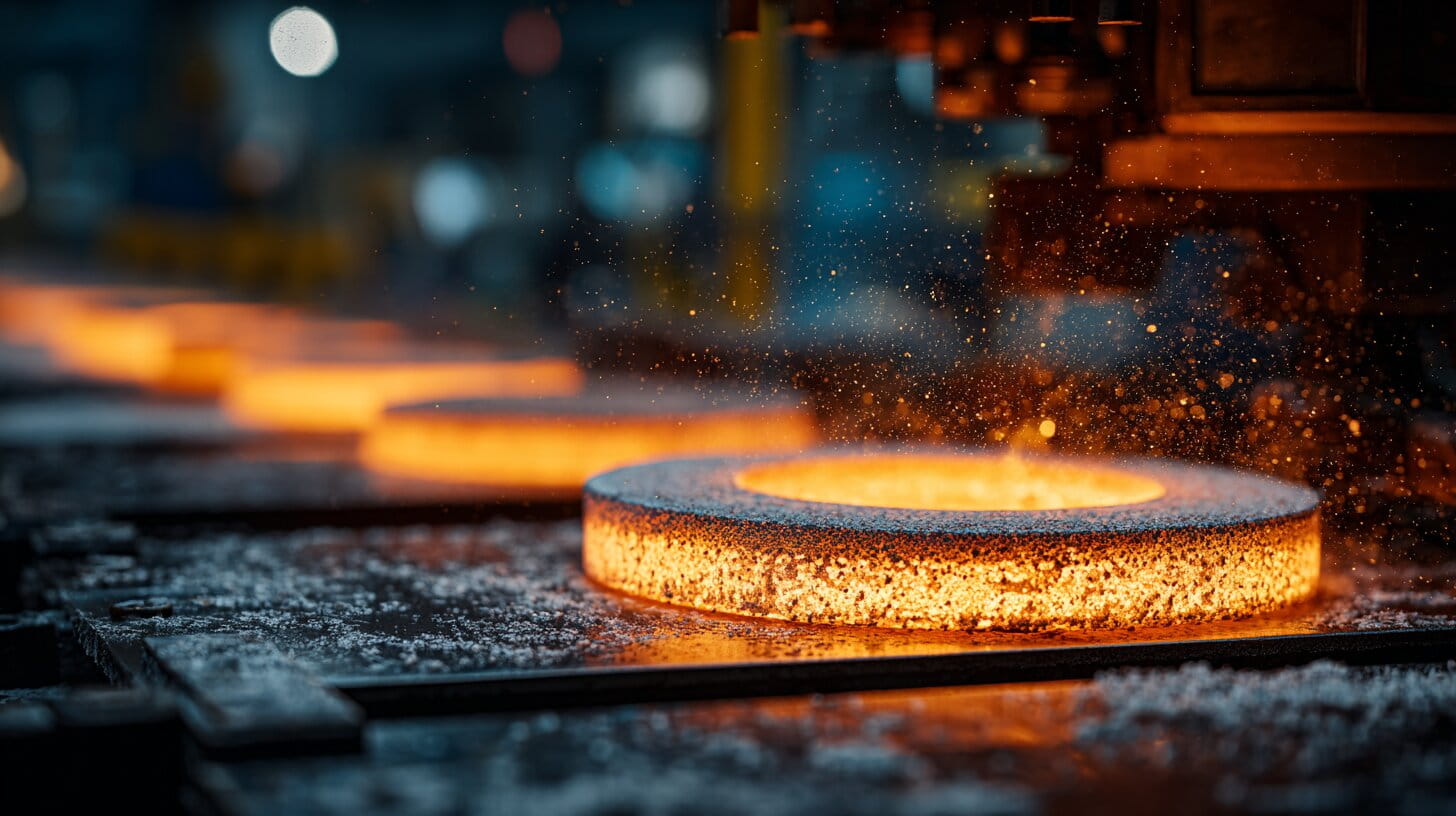
The UK has just built its first factory for ceramic matrix composites. This marks a major milestone for British defence and aerospace. It is not just a research win—it is a strategic shift that will reshape supply chains for decades.
For manufacturing directors and supply chain leaders, this matters. The materials behind next-generation defence systems, hypersonic weapons, and space platforms are now made in Britain. This ceramic matrix composites UK facility changes everything.
Why Ceramic Matrix Composites Matter
Ceramic matrix composites (CMCs) blend heat resistance with the toughness needed for extreme conditions. Unlike metals, CMCs keep their strength above 1,000°C—hotter than molten lava.
The benefits are clear:
- Weight savings: CMCs weigh far less than nickel superalloys. This boosts fuel efficiency.
- Heat tolerance: Oxide CMCs handle 1,000°C versus 800°C for superalloys. That 200°C edge unlocks new designs.
- Durability: Less cooling means simpler systems that last longer.
- Lower emissions: Hotter jet engines produce less CO2 and NOx.
GE Aerospace says CMCs deliver high-temperature capability with the strength and reliability required for gas turbine engines—but weigh less than current alloys. This makes ceramic matrix composites key for space, hypersonics, and advanced propulsion.
The Cross Manufacturing Achievement
Cross Manufacturing Ltd, a family business with 550 staff in Bath and Wiltshire, built the UK’s first pilot-scale CMC production line. The Defence Science and Technology Laboratory backed the project. This is the first real ceramic matrix composites UK manufacturing capability.
The consortium behind it includes:
- University of Oxford: materials science research
- National Composites Centre: process work
- UK Atomic Energy Authority: high-temperature skills
- QinetiQ: defence testing
- MBDA: weapons work
The team built and tested nose cones, curved panels, and high-temperature seals. They ran tests at 1,000°C to prove real-world results.
Dr Talha J. Pirzada, Research and Technology Manager at Cross Manufacturing Ltd, said: “We have changed UK skills from research into pilot-scale making. The consortium can now produce parts from oxide-based ceramic matrix composites—a first for the UK.”
Ending Overseas Dependency
This matters for national security. The UK has long relied on foreign suppliers for CMCs. Most of these materials came from overseas under strict export controls. This created a weak point in the UK defence supply chain.
The Defence Industrial Strategy 2025 named supply chain sovereignty a priority. It calls for onshoring key assets while keeping the benefits of global trade.
Dstl Chief Executive Dr Paul Hollinshead framed it this way: “This shows how defence investment in science drives high-value jobs and advanced manufacturing. By moving fast from lab research to a pilot line, we have sped up the UK’s ability to turn science into real capability.”
The Hypersonic Imperative
The timing is no accident. Hypersonic systems—vehicles flying at Mach 5 or faster—are changing military strategy. At those speeds, heat pushes materials to their limits. Ceramic matrix composites offer the solution.
The MOD’s Team Hypersonics UK aims to deliver a weapon by 2030. Defence Minister Luke Pollard confirmed this. The programme will test critical technologies for future long-range strike systems.
The AUKUS partnership has sped up work under Pillar 2. Plans include at least six flight test campaigns by 2028.
These systems need materials that survive 2,000°C for long periods. The National Composites Centre has been direct: oxide CMCs work for many aerospace uses, but for the hottest roles, they fall short. Non-oxide CMCs can work close to 3,000°C.
The Cross Manufacturing facility is the first step toward full sovereign manufacturing capability in this domain.
Market Opportunity: £17 Billion by 2030
The commercial prize is huge. Analysts project the global ceramic matrix composites market will grow from £9.5 billion in 2024 to £13–17 billion by 2030. That is 8–12 percent yearly growth.
Growth drivers for CMC manufacturing include:
- Aerospace engines seeking weight cuts and efficiency gains
- Defence programmes needing hypersonic materials
- Space sector growth as launch costs drop
- Nuclear energy where CMCs excel in high-radiation settings
Rolls-Royce has grown its CMC research centre in California. GE Aerospace has invested hundreds of millions in CMC production. Both see ceramic matrix composites as central to jet propulsion.
For UK manufacturers, domestic CMC capability opens doors to these global supply chains.
What This Means for UK Manufacturers
The impact goes beyond the consortium partners. Pilot-scale ceramic matrix composites UK production creates several chances:
Supply Chain Positioning
Firms with skills in high-temperature processing or aerospace quality should assess their role in the emerging CMC supply chain. The consortium model shows diverse skills will be needed.
Technology Transfer
Cross Manufacturing’s focus on civilian and defence aerospace signals that military tech will find commercial paths. Companies at this crossover point could benefit.
Skills Development
CMC manufacturing needs specialist skills that are scarce in the UK. Firms that train staff in advanced ceramics will be ready as the sector grows.
Facility Investment
Moving from pilot-scale to full production will need big capital spending. Learning equipment needs now will speed response when contracts appear.
The HASTE Process: Cutting Costs in Half
One key breakthrough is the HASTE process from the National Composites Centre and UK Atomic Energy Authority. It cuts both production time and cost by more than half.
In a sector where high costs have held back adoption, this makes ceramic matrix composites far more viable for defence uses—not just in the lab, but in production.
Combined with domestic supply security, better economics could speed CMC use across sectors.
Looking Ahead: The Next Decade
The National Composites Centre states plainly: the next decade will decide whether the UK builds a credible capability in hypersonics. Team Hypersonics sets the goal, but delivery depends on sustained R&D.
This includes learning from how defence giants are spinning out technology startups to speed innovation.
For manufacturing leaders, the strategic points are clear:
-
Defence spending is rising: The UK will boost spending to 2.5 percent of GDP, with focus on advanced manufacturing.
-
Sovereign capability is policy: The Defence Industrial Strategy puts onshoring critical tech first. This ceramic matrix composites UK facility proves it can be done.
-
Global partnerships create scale: AUKUS Pillar 2 and the GCAP fighter provide demand that justifies investment.
-
The window is now: Countries that build CMC capability early will gain lasting edge.
Dstl Materials Engineer Chris Hawkins said: “These advanced materials will back future defence systems, space tech, and high-temperature uses. This investment strengthens UK manufacturing and supports skilled jobs.”
Conclusion: A Strategic Turning Point
The UK’s first sovereign ceramic matrix composites factory is more than a technical feat. It signals serious intent to compete in the advanced materials sector.
For manufacturers, the message is clear: Britain is building the industrial base for technologies that did not exist here five years ago. The ceramic matrix composites UK facility at Cross Manufacturing shows what is possible. Those who position early will be best placed to capture the chances ahead.
The materials of the future are now being made in Bath and Wiltshire. The question is whether the rest of UK manufacturing is ready to follow.
Continue the conversation in the LeanIQ Hub
A unified intelligence platform for UK manufacturing and industrial professionals. From aerospace to automotive, supply chain to skills: curated news, verified peer discussion, and supplier discovery in one place.
Start Exploring